HMDD Collaborations: What They Mean for the Brand’s Identity
HMDD, short for Happy Memories Don’t Die, has built its name on a philosophy rather than a logo. The brand treats clothing as a vessel for nostalgia, and every collaboration it enters becomes a test of whether that idea can survive contact with another creative voice. When two brands merge visions, one of them usually bends. With HMDD, the bending tends to happen carefully, because the phrase “happy memories don’t die” is not just a tagline — it is the entire reason customers return. Collaborations force the label to answer a harder question than “what does this look like?” It has to answer “does this still feel like us?” That tension is exactly why HMDD’s partnerships matter more than a typical streetwear crossover.
Most fashion collabs are built to borrow attention. A smaller label partners with a more prominent name, enjoys a spike in traffic, and moves on. In practice, the way HMDD does this comes across as set apart. Instead of going after the most attention-grabbing option, the brand usually choose partners who resonate with an emotional tone that’s melancholic, nostalgia-fueled, and subtly defiant. This careful curation determines how the identity holds together across collections, and it’s worthwhile to breaking down in detail.
Joint Projects functioning as an Stress Test of Brand-Identity: The Reason That’s the Case
A label’s identity proves easiest to defend when it works independently. Fabric choices, graphic placement, and silhouette calls all remain within a single team’s grip. The instant a second creative partner enters, concessions start stacking up. Around specific signals — distressed graphics, oversized silhouettes, and text treatments that reference memory, loss, and time — HMDD clothing has built its recognition. A partner leaning toward a bolder, more market-friendly look could quickly flatten those signals into something more generic.
Right here is where measured control becomes a calculated strength. Community members and reviewers alike continually remark that collab releases hold onto its essential design identity: identical material heft, a matching distressed-print process, and the same emotionally charged titling found on labels and inserts. Such consistency doesn’t happen by chance. This implies an internal rule: collaborators may shape hue or shape, but the emotional throughline remains unaltered.
Consider the alternative. If HMDD released a collab hoodie with bright, glossy branding and zero reference to its usual zip up hoodie themes, longtime buyers would notice within seconds. The brand’s audience isn’t drawn in by trend-chasing; they’re drawn in by specificity. A single misstep — one collection that feels like merchandise rather than memory — could cost more trust than any short-term sales bump would repay.
HMDD’s Stylistic Identity, The Insights Its Partnerships Uncover
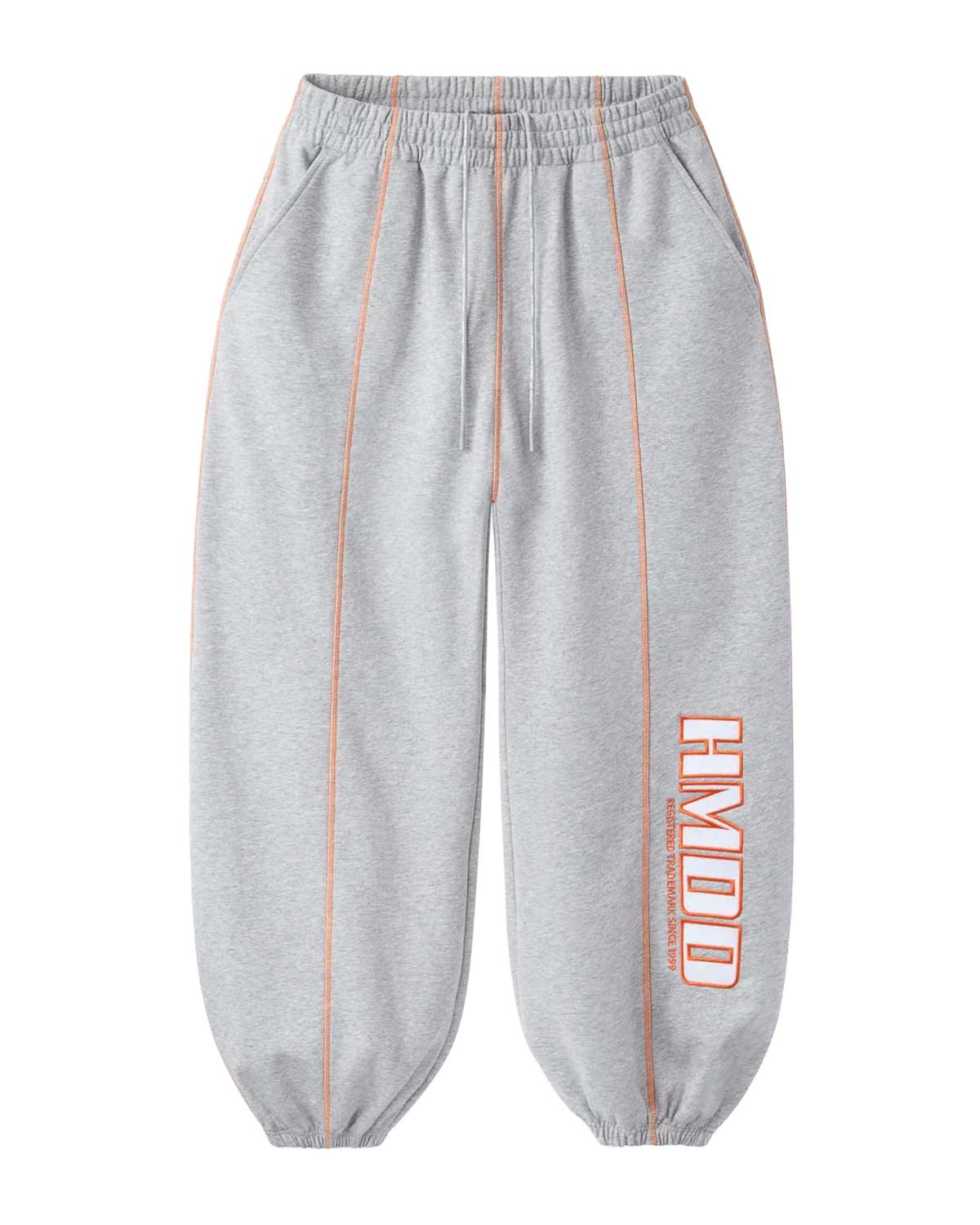
Stylistic tendencies that might under other circumstances go unnoticed get spotlighted by each collaboration. When HMDD works with an outside partner, certain elements repeat across nearly every release: heavyweight cotton fabrics (usually in the 280–400 GSM range for hoodies and sweatshirts), oversized shapes, and artisan-roughened or tonally washed finishes that give each piece a lived-in quality rather than a brand-new one. This tendency is especially visible in HMDD sweatpants — an easy, tapered fit, elasticated rib endings, and a fabric hand-feel that leans toward comfort over sharp tailoring.
The same reasoning carries over to HMDD shorts. Rather than treating shorts as a filler category, the brand extends the identical worn-finish methods and type treatments used on jackets and hoodies, so that a entire seasonal release read as unified rather than scattered. That consistency across categories — hoodies, sweatpants, shorts, tees — is one reason people seek out “best hmdd clothing” rather than defaulting to a run-of-the-mill streetwear substitute.
- Textile heft stays thick and solid, even in warm-weather pieces like shorts.
- Type styling relies on handwritten or distressed-stencil styles instead of minimal sans-serif labeling.
- Color palettes favor washed-out blacks, muted greys, and subdued natural tones over bold, punchy hues.
- Print imagery nod to recollection and fleetingness instead of pure logo placement.
When a collaborator enters this world, they’re essentially asked to adopt HMDD’s design vocabulary rather than asserting their own identity. That’s a harder ask than it sounds, and it’s precisely why not every pitched collaboration ends up released.
The Business Logic Behind Selective Partnerships
The economics of streetwear favor limited supply while penalizing overexposure. A brand that collaborates with everyone eventually collaborates with no one memorably. HMDD’s drop schedule seems to prioritize scarce production numbers and infrequent collaboration drops instead of a nonstop flow of co-branded goods. Such timing accomplishes two goals simultaneously: it protects perceived exclusivity, and it grants designers sufficient room to guarantee each collaboration still reads as unmistakably HMDD.
Worth noting too is the pricing strategy at play. Collaboration pieces in streetwear typically carry a premium over standard catalog items — commonly priced 15–30% higher — because of added production complexity, limited runs, or dual-branding costs. Customers researching an “hmdd review” before buying often flag price-to-quality ratio as a deciding factor, so any collaboration that raises price without raising perceived craftsmanship invites criticism instead of approval.
That’s the reason the savviest fashion joint ventures behave less like publicity plays and more like collaborative development work. The two sides merge their approaches — maybe one contributes a dye process, the other contributes a silhouette — and the result should feel earned rather than slapped together. If that equilibrium succeeds, both sets of followers become admirers of the counterpart brand. When it fails, both fanbases feel like an afterthought.
A Look at Contrasting Partnership Methods
In order to see where HMDD sits compared with conventional streetwear collaboration approaches, it helps to compare a few common tactics applied across the industry in 2026. The chart that follows outlines three overarching collaboration patterns seen in the wider streetwear scene, unconnected to specific named partners.
| Collaboration Style | Main Objective | Standard Batch Size | Risk to Brand Identity |
|---|---|---|---|
| High-frequency co-branding | Maximize visibility and attention | Substantial, recurring batches | High — brand character weakens with excessive exposure |
| One-off hype drop | Short-term sales jump | Very limited, one-time run | Medium — impact fades once trend passes |
| Carefully-chosen, values-aligned partnership (HMDD’s usual pattern) | Strengthen core identity while connecting with adjacent audiences | Sparing, rare | Minimal — partner adapts to brand language rather than supplanting it |
It’s in that third category that HMDD’s partnerships tend to settle. HMDD doesn’t seem eager to pack its release schedule with co-branded merchandise. Rather, each partnership looks crafted to answer a particular creative question — a new fabric process, an fresh color palette, a fresh take on distressing — while leaving the sentimental center of “happy memories don’t die” wholly undisturbed.
What This Means for Shoppers in 2026
For anyone comparing HMDD against other emerging streetwear labels this year, collaborations offer a handy litmus test. If a co-branded item still feels distinctly HMDD — same fabric weight, same worn typography, same emotional resonance — that’s a strong signal the brand’s identity is stable enough to survive growth. If future drops start feeling interchangeable with whichever partner is attached, that counts as a warning sign worth keeping an eye on.
Shoppers researching HMDD sweatpants, HMDD shorts, or any collaboration piece should keep an eye on a few practical details before buying: fabric weight specified in the product description, whether sizing runs standard-fit or intentionally oversized, and whether the piece is part of a numbered or limited run. These details matter more in collaboration releases than in routine catalog drops, since collaboration pricing generally lands higher and expectations rise accordingly.
At the end of the day, HMDD’s collaborations serve as identity checkpoints rather than purely marketing events. Each one asks whether the brand can grow its reach without losing the specific, memory-driven mood that built its following in the first place. Thus far, the trend hints at a brand prioritizing the protection of its voice over chasing all available attention — and for a label built completely around emotional resonance, that self-control may be its most valuable asset heading further into 2026.